
Anomaly Detection in Automotive Manufacturing
Anomaly Detection in Automotive Manufacturing refers to the identification of irregular patterns or deviations from expected behavior in production processes. This concept is crucial for stakeholders within the Automotive sector as it enhances quality control, reduces waste, and ensures operational efficiency. Given the rapid technological advancements, integrating anomaly detection with AI is imperative for manufacturers to meet evolving customer demands and maintain competitive advantages. By closely monitoring production lines, manufacturers can swiftly identify issues before they escalate, aligning with broader industry priorities of innovation and sustainability.
In the current automotive ecosystem , the incorporation of AI-driven anomaly detection practices is redefining operational dynamics. These technologies are fostering an environment of continuous improvement, where insights derived from data analytics lead to informed decision-making and streamlined processes. As organizations embrace digital transformation, the benefits extend beyond mere operational efficiency; they cultivate a culture of innovation and responsiveness to market changes. However, companies face challenges such as integration complexity and the need for skilled personnel, which can impede progress. Nevertheless, the potential for growth and enhanced stakeholder value remains substantial, making the exploration of AI in manufacturing both timely and essential.
Harness AI for Anomaly Detection in Automotive Manufacturing
Automotive manufacturers should strategically invest in AI-focused partnerships and technologies that enhance anomaly detection capabilities. Implementing these AI solutions can lead to significant operational efficiencies, reduced downtime, and a strong competitive edge in the market.
Transforming Automotive Manufacturing: The Role of Anomaly Detection
Implementation Framework
Pinpoint critical data for anomaly detection
Utilize ML algorithms for analysis
Track key metrics for insights
Ensure continuous improvement in processes
Expand successful practices across operations
Begin by identifying and aggregating data from various sources, including sensors and production logs, to ensure comprehensive monitoring. This step enhances anomaly detection efficiency and accuracy, driving operational excellence in manufacturing processes.
Technology Partners
Deploy machine learning algorithms to analyze historical and real-time data, facilitating the detection of patterns and anomalies. This approach optimizes manufacturing performance and minimizes downtime, ultimately reducing costs and enhancing productivity.
Internal R&D
Establish a system for continuous performance monitoring, focusing on key metrics such as defect rates and production speed. This ongoing analysis supports timely interventions, aligning with overall quality control and operational goals.
Industry Standards
Create feedback loops that allow for real-time adjustments based on anomaly detection results. This iterative process improves responsiveness to issues, ensuring streamlined operations and higher quality standards in automotive manufacturing .
Cloud Platform
Once effective strategies are validated, scale AI solutions across the manufacturing network to maximize benefits. This comprehensive integration leads to improved anomaly detection capabilities and overall operational efficiency throughout the automotive sector.
Technology Partners
Best Practices for Automotive Manufacturers
Implement Predictive Analytics Tools
- Impact : Improves anomaly prediction accuracy significantly
Example : Example: In a car manufacturing plant, predictive analytics forecast machine failures based on historical data, leading to a 30% reduction in unexpected downtime by scheduling timely maintenance before issues arise. - Impact : Enables proactive maintenance actions
Example : Example: A truck assembly facility uses analytics to predict failure points, allowing maintenance teams to address potential issues before they disrupt production, thus maintaining a smooth workflow. - Impact : Reduces unexpected downtime effectively
Example : Example: A battery manufacturing line integrates predictive models that alert operators about potential defects in battery cells, preventing costly recalls and enhancing customer satisfaction. - Impact : Enhances overall production reliability
Example : Example: By analyzing data trends, a manufacturing plant effectively reduces the rate of anomalies, improving production reliability by up to 25%, which boosts overall output.
- Impact : Requires substantial training for staff
Example : Example: A major automotive manufacturer faced challenges as staff struggled to adapt to new predictive tools, leading to increased frustration and reluctance to fully utilize the system's capabilities. - Impact : Potential over-reliance on technology
Example : Example: Overconfidence in AI predictions led a factory to ignore manual checks, resulting in a batch of defective vehicles that slipped through due to a false positive processing error. - Impact : Risk of false positives in detection
Example : Example: An integration attempt between new AI systems and legacy software resulted in operational delays, as engineers had to spend additional time troubleshooting compatibility issues during rollout. - Impact : Integration complexity with legacy systems
Example : Example: A factory's reliance on AI for anomaly detection sometimes flagged normal production variations as defects, causing unnecessary interruptions and lowering workforce morale.
Optimize Data Collection Strategies
- Impact : Enhances data quality and relevance
Example : Example: An automotive manufacturer revamped its data collection methods by installing IoT sensors, significantly enhancing data accuracy and providing real-time insights into production anomalies. - Impact : Improves detection speed and accuracy
Example : Example: By adopting smart data collection techniques, a car assembly line reduced the time to detect anomalies by 40%, allowing rapid response to quality issues and minimizing defects. - Impact : Facilitates real-time monitoring capabilities
Example : Example: A vehicle component manufacturer implemented advanced data analytics, leading to a 50% increase in the speed of anomaly detection, improving production flow and reducing waste. - Impact : Supports better decision-making processes
Example : Example: A plant enhanced its decision-making process by integrating comprehensive data sources, allowing managers to analyze trends effectively and respond swiftly to production anomalies.
- Impact : High costs associated with data infrastructure
Example : Example: A major automotive supplier experienced budget overruns due to unexpected costs in upgrading its data infrastructure, impacting other projects and timelines. - Impact : Challenges in ensuring data integrity
Example : Example: An assembly plant struggled with inconsistent data quality from multiple sources, leading to ineffective anomaly detection and increased production errors. - Impact : Potential for data overload issues
Example : Example: A manufacturer faced data overload, where excessive information slowed down processing speeds, hindering the ability to detect anomalies in real-time, leading to production delays. - Impact : Need for ongoing data management
Example : Example: A plant's failure to maintain its data management system led to obsolete information being used in anomaly detection, resulting in misdiagnosed issues and costly rework.
Utilize Real-time Monitoring Systems
- Impact : Enables immediate response to anomalies
Example : Example: An automotive assembly line integrated real-time monitoring systems that instantly alert operators to deviations, allowing immediate corrective actions and reducing waste by 20% during production. - Impact : Supports continuous quality control
Example : Example: A vehicle production facility deployed an AI-driven monitoring system that continuously checks for quality issues, eliminating the need for manual inspections and boosting efficiency. - Impact : Reduces manual inspection requirements
Example : Example: Real-time monitoring in a car plant provided operators with immediate feedback on production quality, leading to quicker adjustments that enhanced overall operational transparency. - Impact : Improves operational transparency
Example : Example: A manufacturing site utilized real-time data feeds, allowing management to monitor production closely and make informed decisions instantly, improving overall quality control processes.
- Impact : Dependence on technology reliability
Example : Example: An automotive manufacturer faced significant downtime when its real-time monitoring system malfunctioned, highlighting the risks associated with over-reliance on technology for operational efficiency. - Impact : High maintenance requirements for systems
Example : Example: An automotive assembly line experienced high maintenance costs for its monitoring systems, straining budgets and diverting resources from other critical areas of production. - Impact : Potential for cyber threats
Example : Example: A car manufacturing facility became a target for cyber-attacks aimed at disrupting its real-time monitoring systems, leading to vulnerabilities that could compromise production integrity. - Impact : Risk of data breaches during monitoring
Example : Example: An automotive plant's monitoring system collected sensitive operational data, raising concerns among executives about potential data breaches that could expose trade secrets and operational strategies.
Train Workforce Regularly
- Impact : Enhances employee skill sets significantly
Example : Example: A major automotive manufacturer instituted ongoing training programs for its workforce, resulting in a notable increase in efficiency and a smoother transition to new AI technologies. - Impact : Promotes a culture of innovation
Example : Example: Regular training sessions helped employees at a vehicle assembly plant embrace new anomaly detection tools, fostering a culture of innovation and increasing productivity by 15%. - Impact : Reduces resistance to new technologies
Example : Example: An automotive factory's commitment to continuous learning reduced resistance to adopting AI technologies, enabling faster integration and improved operational outcomes across the board. - Impact : Increases overall operational efficiency
Example : Example: A plant's workforce training initiatives led to a 25% increase in operational efficiency, as employees became more adept at utilizing AI for anomaly detection in manufacturing processes.
- Impact : Time-consuming training processes
Example : Example: A vehicle manufacturing plant faced delays in production timelines due to lengthy training processes, impacting output and efficiency while employees adjusted to new systems. - Impact : Potential employee burnout from training
Example : Example: Employees at an automotive factory reported feelings of burnout from frequent training sessions, leading to decreased morale and productivity as they struggled to keep pace with new technologies. - Impact : Difficulty in assessing training effectiveness
Example : Example: A manufacturer struggled to assess the effectiveness of its training programs, making it challenging to identify areas needing improvement and risking inefficiencies in anomaly detection processes. - Impact : Inconsistent training across departments
Example : Example: Inconsistent training across departments resulted in varied proficiency levels, causing miscommunication and inefficiencies in the anomaly detection processes at a major automotive plant.
Leverage Machine Learning Algorithms
- Impact : Enhances predictive capabilities significantly
Example : Example: An automotive supplier implemented machine learning algorithms that analyzed historical defect data, improving predictive capabilities and enabling earlier detection of potential issues in production. - Impact : Improves detection rates over time
Example : Example: A vehicle manufacturing plant saw its defect detection rates improve by 35% after integrating machine learning models that continuously learn from new data inputs and historical trends. - Impact : Reduces human error in assessments
Example : Example: By automating anomaly assessments with machine learning, a factory minimized the potential for human error and improved the accuracy of its quality control processes, resulting in fewer recalls. - Impact : Boosts data-driven decision making
Example : Example: Machine learning integration allowed a manufacturing facility to make data-driven decisions faster, leading to improved responsiveness to production anomalies and enhancing overall operational efficiency.
- Impact : Requires skilled personnel for implementation
Example : Example: A major automotive manufacturer faced challenges during machine learning implementation due to a lack of skilled personnel, delaying projects and increasing costs. - Impact : Potential for algorithmic bias
Example : Example: An automotive plant experienced issues with algorithmic bias in its machine learning models, leading to recurring errors in defect detection that required manual intervention. - Impact : High computational resource requirements
Example : Example: High computational resource demands for running machine learning models strained the IT budget of a vehicle manufacturing facility, leading to delays in other essential projects. - Impact : Challenges in model maintenance
Example : Example: A manufacturing facility struggled to maintain its machine learning models, as changes in production processes required constant updates, complicating operations and increasing workload for engineers.
AI-driven anomaly detection is not just about identifying faults; it's about transforming the entire manufacturing process into a proactive, data-driven ecosystem.
– Murali Krishna Reddy MandalapuCompliance Case Studies



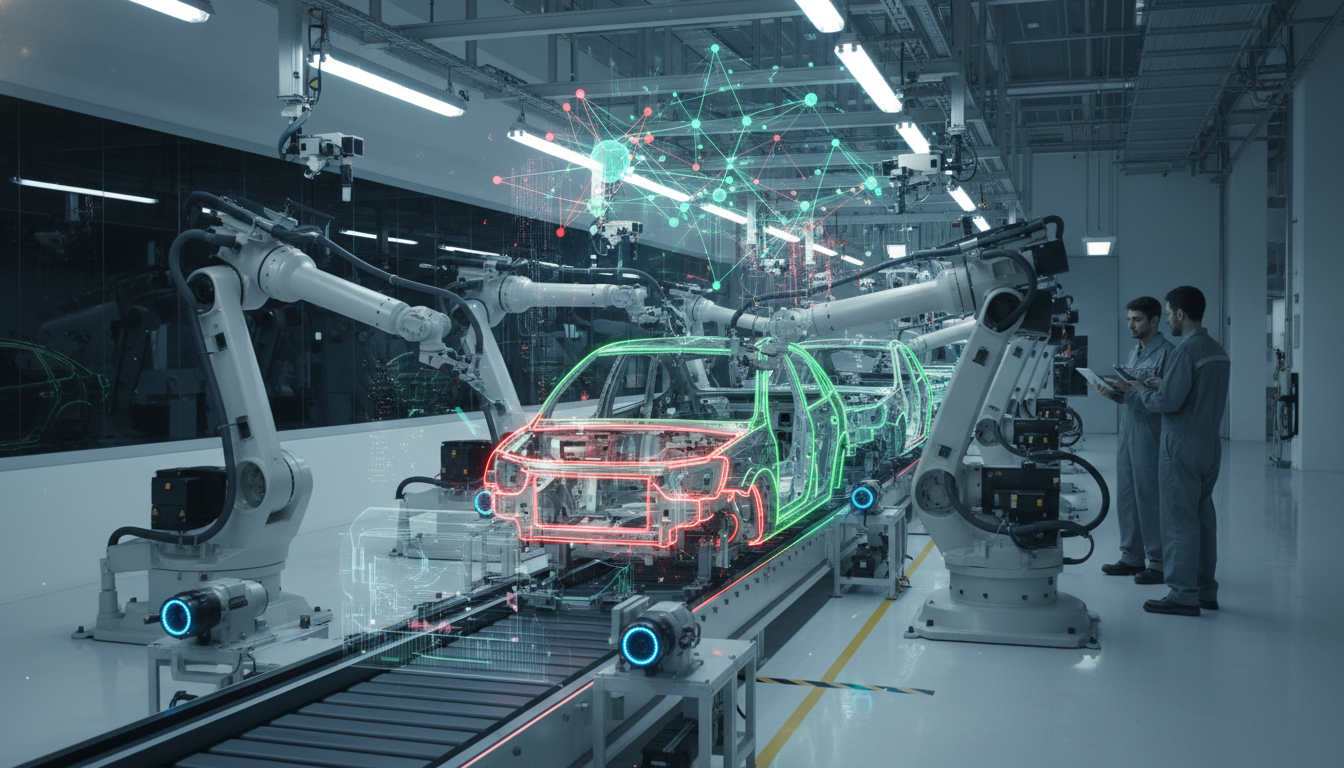
Uncover hidden inefficiencies in your manufacturing process with AI-driven anomaly detection. Transform your operations and stay ahead of the competition—act now!
Take Test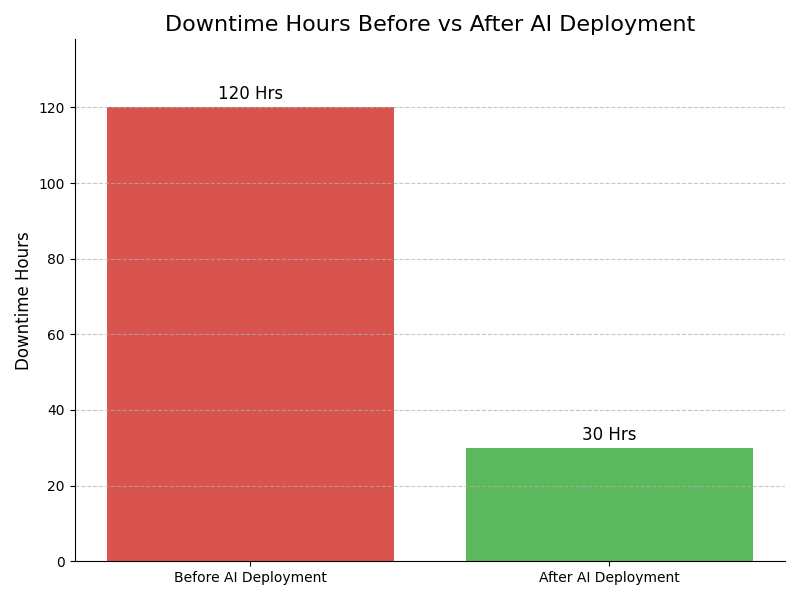
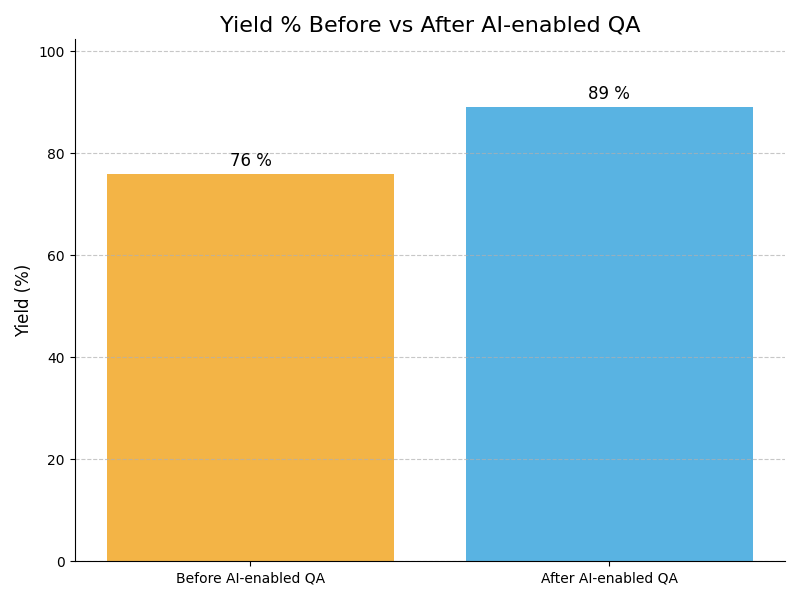
Leadership Challenges & Opportunities
Data Fragmentation Issues
Utilize Anomaly Detection in Automotive Manufacturing to centralize data from multiple sources, ensuring consistent monitoring and analysis. Implement data integration tools that unify disparate systems, enabling real-time insights and reducing the risks of undetected anomalies, ultimately enhancing operational efficiency.
Cultural Resistance to Change
Foster a culture of innovation by incorporating Anomaly Detection in Automotive Manufacturing as a key component of digital transformation initiatives. Engage employees through workshops that demonstrate the technology's benefits, promoting a collaborative environment where feedback drives continuous improvement and adoption.
High Implementation Costs
Leverage phased implementation strategies for Anomaly Detection in Automotive Manufacturing, starting with critical areas that yield immediate ROI. Use pilot projects to validate cost-effectiveness and secure funding for broader initiatives, ensuring that each phase demonstrates tangible benefits to justify continued investment.
Compliance with Industry Standards
Integrate Anomaly Detection in Automotive Manufacturing with compliance monitoring tools that automatically assess adherence to industry standards. Employ real-time alerts for deviations, enabling proactive adjustments and streamlined reporting, which enhances compliance without adding significant administrative overhead.
Assess how well your AI initiatives align with your business goals
AI Adoption Graph
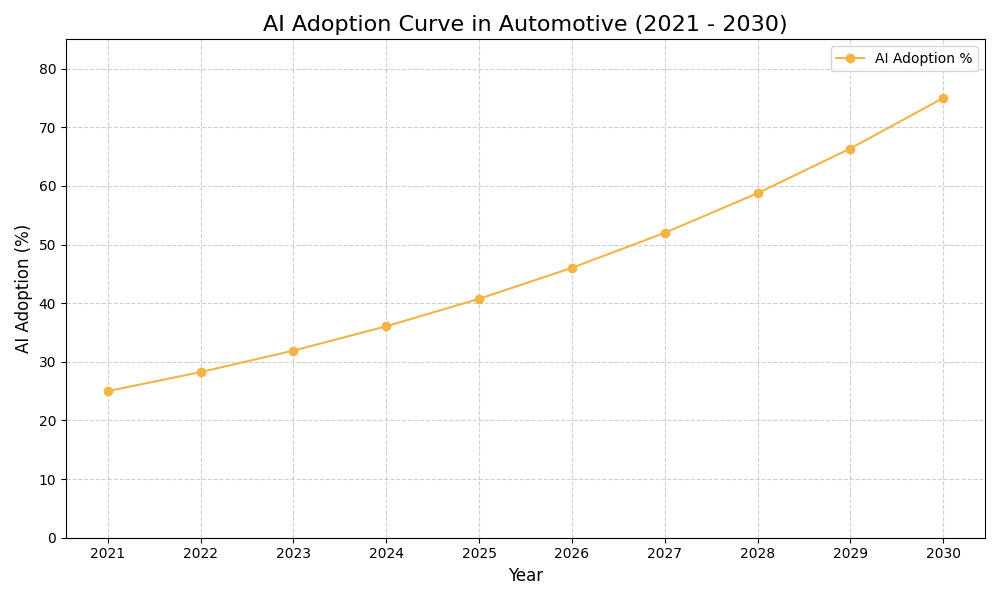
AI Use Case vs ROI Timeline
| AI Use Case | Description | Typical ROI Timeline | Expected ROI Impact |
|---|---|---|---|
| Predictive Maintenance Alerts | AI detects anomalies in machine performance, predicting failures before they happen. For example, it analyzes vibration data from assembly line robots to identify wear and tear, allowing timely maintenance and reducing downtime. | 6-12 months | Medium-High |
| Quality Control Automation | AI inspects manufactured parts for defects in real-time, reducing human error. For example, it uses computer vision to analyze weld integrity on chassis components, ensuring only flawless parts continue through the production line. | 6-12 months | High |
| Supply Chain Anomaly Detection | AI monitors supply chain data to identify irregularities. For example, it analyzes historical shipment data to predict delays or quality issues with parts from suppliers, enabling proactive management of inventory and suppliers. | 12-18 months | Medium |
| Energy Consumption Optimization | AI detects anomalies in energy use patterns to optimize consumption. For example, it analyzes energy data from manufacturing equipment to identify inefficiencies, leading to targeted interventions that cut costs. | 6-12 months | Medium-High |
Glossary
Work with Atomic Loops to architect your AI implementation roadmap — from PoC to enterprise scale.
Contact NowFrequently Asked Questions
- Anomaly Detection identifies unusual patterns in manufacturing processes to enhance quality control.
- It minimizes defects by catching issues early in the production cycle.
- This technology improves operational efficiency through proactive monitoring.
- Overall, it leads to cost savings by reducing waste and rework.
- Companies can leverage data-driven insights for continuous improvement initiatives.
- Begin by assessing your existing data infrastructure and identifying key data sources.
- Develop a clear strategy outlining your objectives and expected outcomes from implementation.
- Choose the right AI tools that integrate seamlessly with your current systems.
- Pilot projects can help validate your approach before full-scale deployment.
- Collaboration with data scientists will facilitate effective model development and refinement.
- Data quality issues can impede effective anomaly detection, requiring rigorous cleansing processes.
- Integration with legacy systems poses a significant challenge during implementation.
- Employee resistance to new technologies may hinder successful adoption; training is crucial.
- Scalability of solutions must be considered to accommodate future growth.
- Regular monitoring and updates to algorithms are necessary to maintain efficacy.
- AI enhances the accuracy of anomaly detection, reducing false positives significantly.
- Investment leads to measurable improvements in production efficiency and product quality.
- It provides a competitive edge by enabling faster response to manufacturing issues.
- Companies can achieve substantial cost reductions through optimized resource allocation.
- Long-term, it fosters a culture of innovation and continuous improvement within organizations.
- Timing should align with organizational readiness and digital transformation initiatives.
- Consider implementation during a planned system upgrade or major production change.
- Early adoption during pilot phases allows for gradual scaling and adjustment.
- Monitor industry trends to identify competitive pressures necessitating timely adoption.
- Regular assessments of operational challenges can signal the need for immediate implementation.
- Anomaly Detection can be applied to monitor assembly line performance for defects.
- It helps in predictive maintenance of machinery to minimize downtime and repairs.
- Quality assurance processes benefit from real-time detection of non-conformance items.
- Supply chain monitoring using anomaly detection can prevent delays and disruptions.
- Regulatory compliance can be ensured through continuous monitoring of manufacturing processes.
- Initial investment costs include software, hardware, and training for staff.
- Long-term savings from reduced waste and improved operational efficiency can offset costs.
- A phased approach allows for manageable expenditure and gradual scaling.
- Consider potential ROI metrics to justify the investment to stakeholders.
- Operational costs may vary based on the complexity and scale of the implementation.