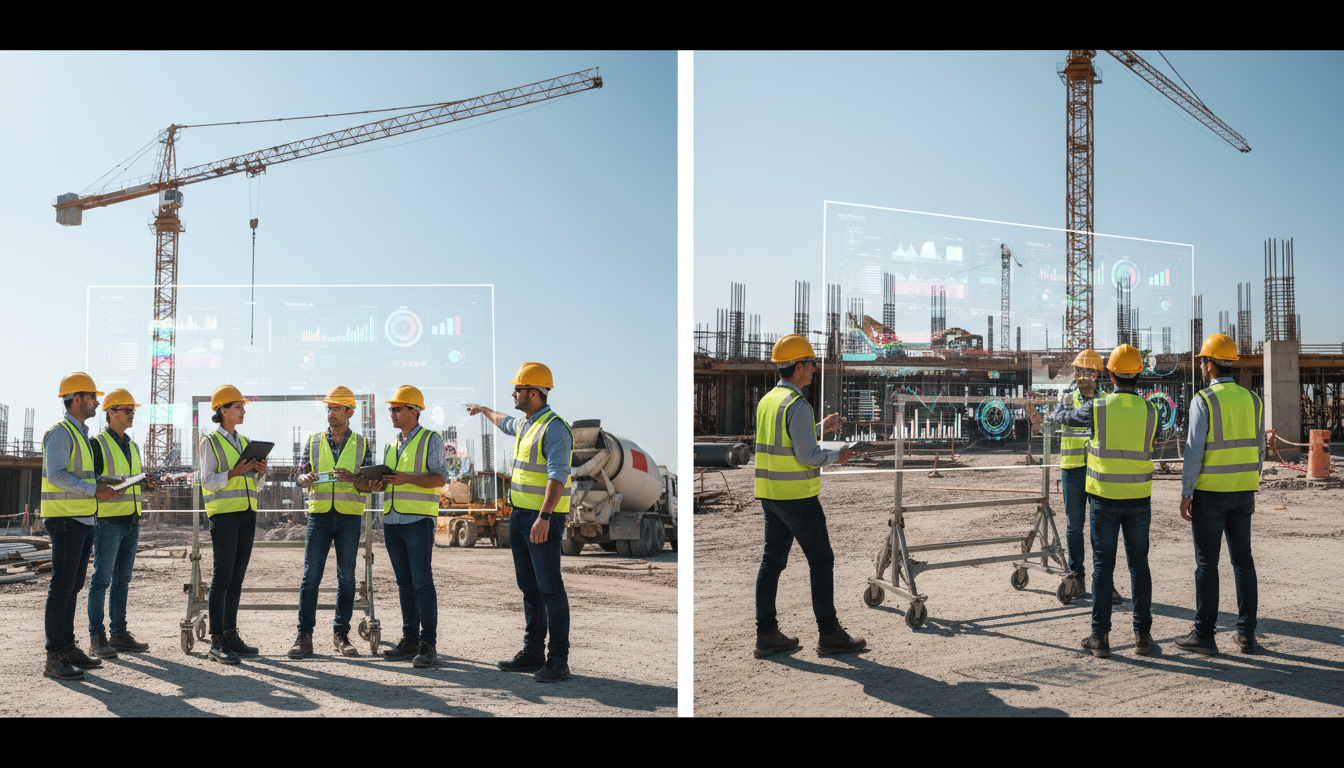
AI Construction Readiness Workshop
The AI Construction Readiness Workshop represents a pivotal initiative aimed at equipping stakeholders within the Construction and Infrastructure sector with the necessary knowledge and tools to effectively integrate artificial intelligence into their operations. This workshop focuses on enhancing understanding of AI's transformative potential, aligning with the sector's evolving priorities toward efficiency and innovation. By fostering collaboration and dialogue, it enables participants to navigate the complexities associated with AI adoption , thus preparing them to meet the demands of a rapidly changing landscape.
As AI technologies gain traction, the Construction and Infrastructure ecosystem is experiencing a significant paradigm shift in competitive dynamics and stakeholder interactions. AI-driven practices are not only enhancing operational efficiency but are also reshaping decision-making processes and strategic direction. While the potential for growth is considerable, challenges such as integration complexities and evolving expectations must also be acknowledged. The workshop serves as a platform to explore these opportunities and hurdles, fostering an environment where participants can collaboratively seek solutions to drive sustainable progress.

Accelerate AI Adoption in Construction Now
Construction and Infrastructure companies should strategically invest in AI-focused partnerships and initiatives to enhance project efficiency and reduce costs. By implementing AI technologies, firms can expect improved decision-making, increased productivity, and a significant competitive edge in the marketplace.
How AI is Transforming Construction Readiness?
AI Readiness Framework
The 6 Pillars of AI Readiness
Transformation Roadmap
Evaluate current processes for AI integration
Create a roadmap for AI adoption
Educate teams on AI tools and techniques
Test AI applications in real scenarios
Assess pilot outcomes for broader application
Begin by analyzing existing workflows to identify opportunities where AI can enhance efficiency and reduce costs. This assessment lays the groundwork for strategic implementation and improves adaptability to AI in construction .
Internal R&D
Formulate a detailed AI strategy that outlines specific goals, technology requirements, and timelines. This comprehensive plan should align with business objectives, ensuring all stakeholders are invested in the AI transformation journey .
Technology Partners
Initiate training sessions focused on AI technologies relevant to construction. This empowers employees with necessary skills and fosters a culture of innovation, ultimately leading to improved project outcomes and operational efficiency.
Industry Standards
Conduct pilot programs to test AI applications in select projects. Monitoring results helps refine AI tools and demonstrates their value, paving the way for broader adoption within the organization and enhancing project delivery efficiency.
Cloud Platform
After successful pilots , evaluate performance metrics and gather feedback to determine scalability. This assessment enables informed decisions on expanding AI applications throughout the organization, enhancing overall construction resilience and effectiveness.
Internal R&D
We've entered a pivotal moment in construction tech where AI can drive immense value. Our platform’s ability to deliver efficiency and insights with AI is fundamentally transforming the preconstruction process.
– Shir Abecasis, CEO and Founder, Firmus
Compliance Case Studies
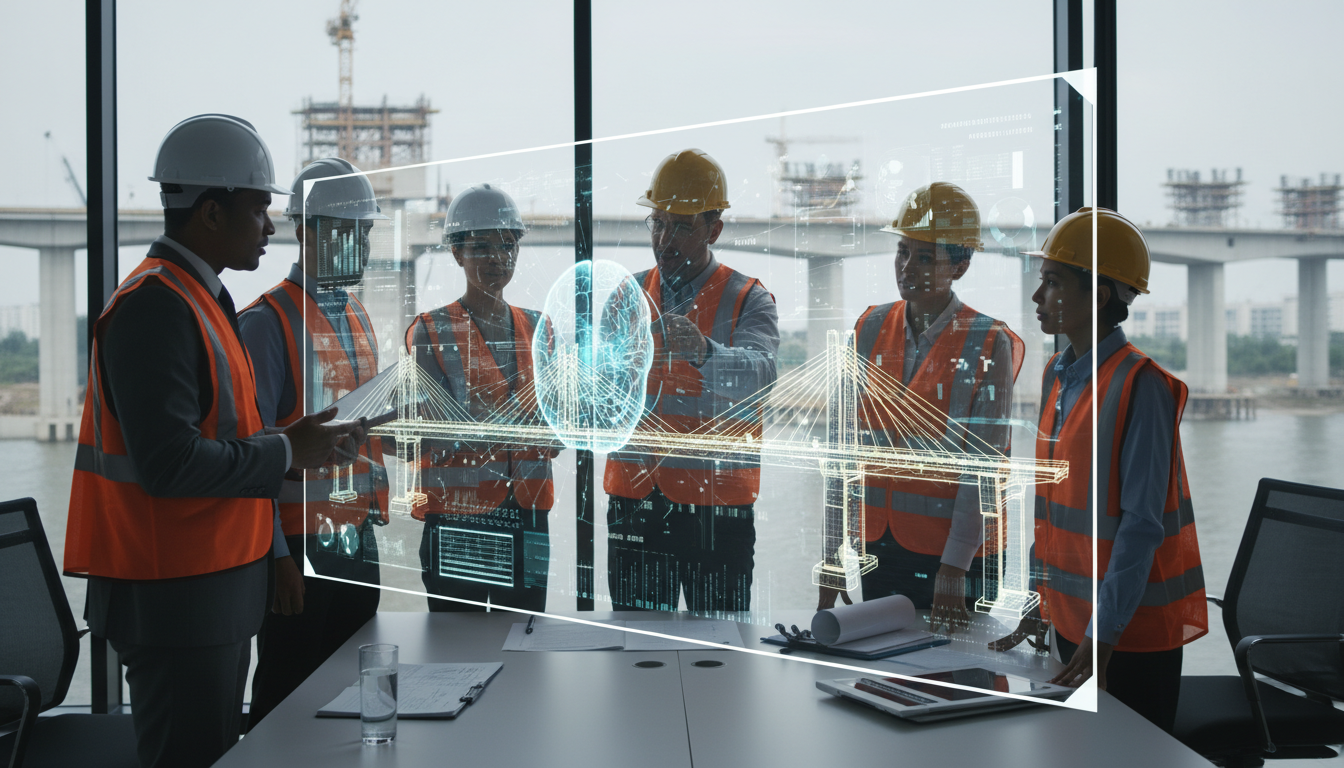
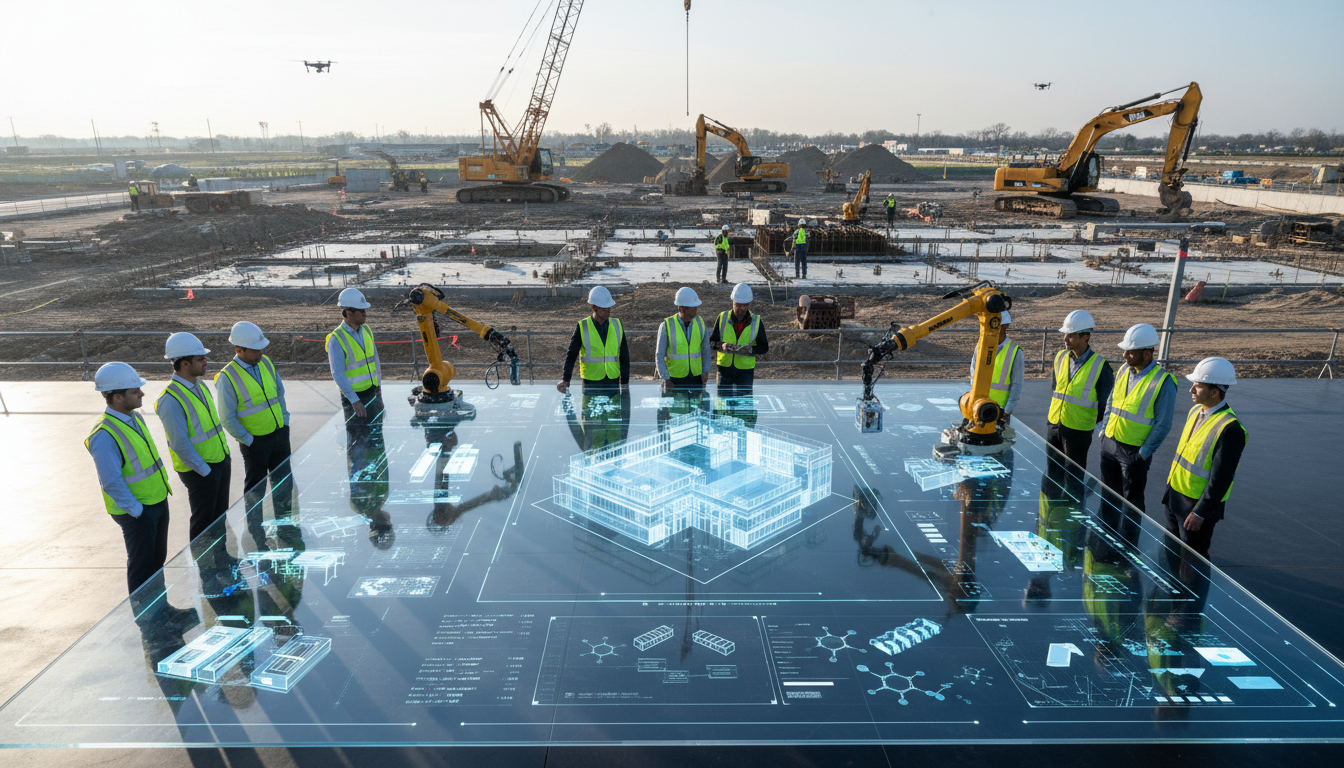
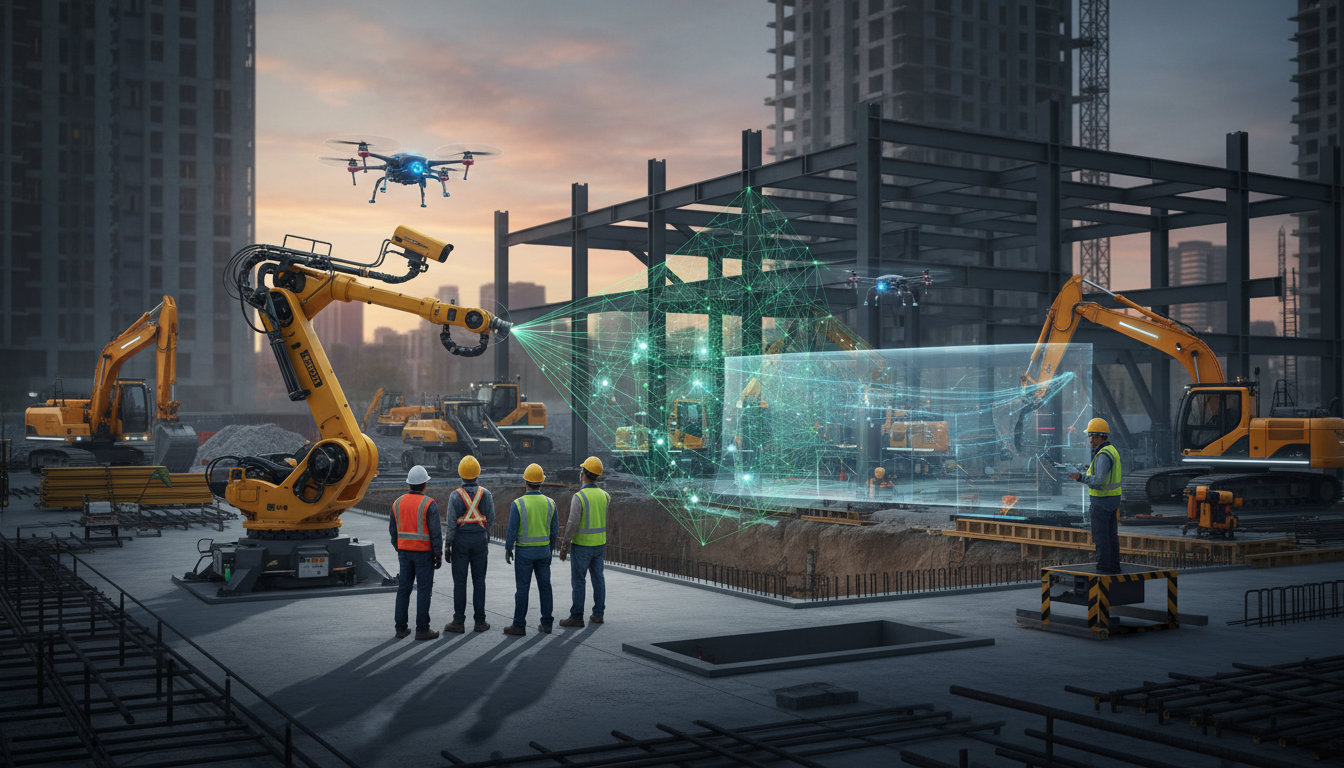
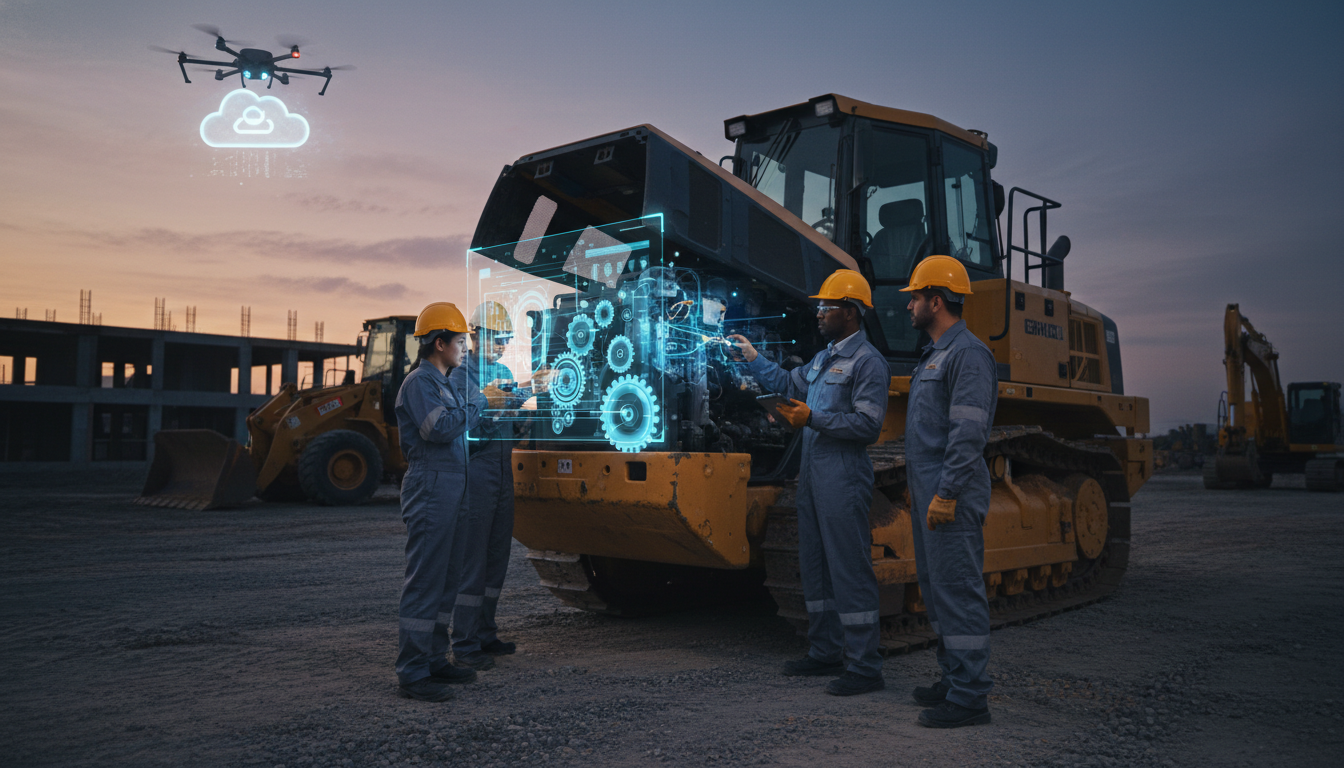
Seize the opportunity to lead in AI-driven construction. Join us to transform your projects, optimize resources, and outperform the competition with cutting-edge solutions.
Take TestRisk Senarios & Mitigation
Failing ISO Compliance Standards
Legal fines apply; maintain rigorous compliance audits.
Ignoring Data Privacy Protocols
Data breaches threaten reputation; enforce encryption methods.
Overlooking AI Bias Issues
Inequitable outcomes arise; conduct regular bias assessments.
Experiencing Operational Failures
Project delays occur; establish robust system redundancies.
Assess how well your AI initiatives align with your business goals
Glossary
Work with Atomic Loops to architect your AI implementation roadmap — from PoC to enterprise scale.
Contact NowFrequently Asked Questions
- The AI Construction Readiness Workshop equips teams with essential AI knowledge and skills.
- It focuses on enhancing operational efficiency through AI-driven strategies.
- Participants learn to identify opportunities for AI integration in projects.
- The workshop fosters collaboration among industry professionals for shared learning.
- Ultimately, it aims to prepare organizations for a successful AI transformation.
- Starting requires an assessment of current capabilities and readiness for AI.
- Engage stakeholders to identify goals and desired outcomes for the workshop.
- Schedule the workshop to fit within existing project timelines and resources.
- Provide necessary training and materials to facilitate effective learning.
- Monitor progress and adapt strategies based on feedback and results.
- AI enhances productivity by automating repetitive tasks and optimizing workflows.
- Organizations can achieve significant cost savings through improved resource management.
- Data analytics provide actionable insights for informed decision-making.
- AI reduces risks by predicting potential project delays and issues early.
- Implementing AI leads to a competitive edge through faster innovation and quality improvements.
- Common challenges include resistance to change and lack of understanding among teams.
- Data quality and availability can hinder effective AI implementation.
- Integration with existing systems often presents technical difficulties.
- Budget constraints may limit the scope of AI initiatives.
- Addressing these challenges requires strategic planning and stakeholder engagement.
- The right time is when organizations have established a digital foundation and culture.
- Identifying specific project challenges can signal readiness for AI adoption.
- Consider adopting AI when seeking to enhance efficiency and reduce costs.
- Workshops can help gauge readiness and highlight potential benefits.
- Monitoring industry trends can also inform timely AI implementation decisions.
- AI can optimize project scheduling and resource allocation in construction projects.
- Predictive maintenance uses AI to foresee equipment failures before they occur.
- Automated quality control enhances construction standards through real-time monitoring.
- AI-driven analytics can improve safety by identifying hazardous conditions.
- These applications significantly streamline operations and enhance overall project outcomes.